
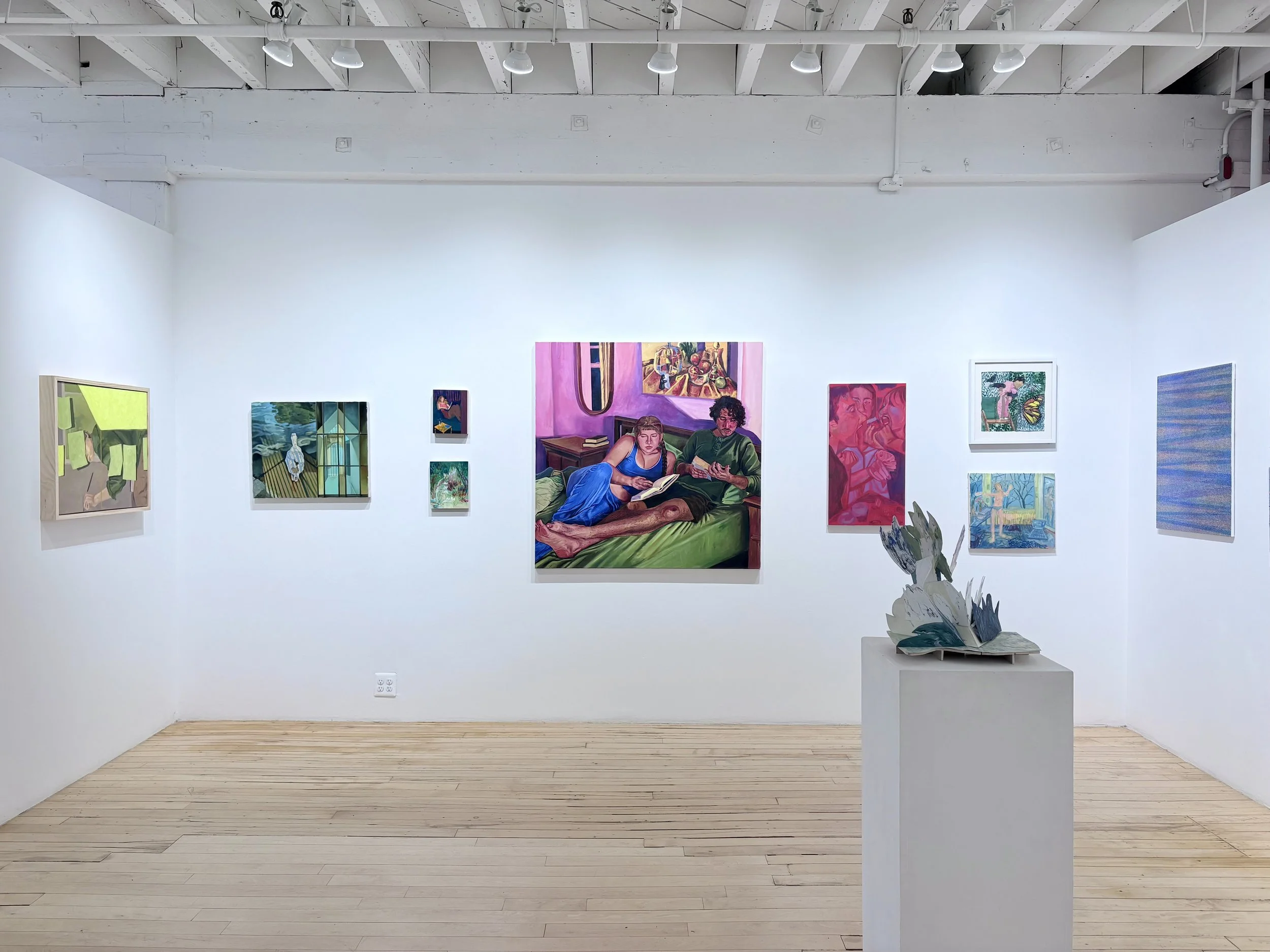
Entering the world of contemporary fine art can feel like stepping onto an exclusive stage without a script. For many aspiring collectors, the gleaming glass facades of multi-floor commercial dealerships in Manhattan present an imposing barrier. The hushed tones, the absence of visible pricing, and the relentless hum of high-stakes market transactions often leave newcomers wondering whether art collecting is reserved solely for the ultra-wealthy or the initiated elite. Yet, seasoned art advisors and discerning collectors often share a well-kept secret that upends this intimidating narrative: your very first art acquisition should almost always begin inside a non profit art gallery.
By shifting your gaze away from pure commercial hype and toward mission-driven institutions: such as The Painting Center, which has maintained a steadfast dedication to independent artistic voices for over thirty-two years: you unlock an entirely different dimension of collecting. Here, the primary currency is not speculative financial return, but genuine cultural dialogue, artistic integrity, and uncompromising visual experimentation.
1. The Anatomy of Integrity: Transparency and Purpose
When you walk into a traditional commercial gallery, the underlying architecture is engineered around market validation, secondary market values, and exclusive blue-chip client lists. Prices are frequently inflated to account for high overhead costs, gallery commissions, and speculative positioning. By contrast, a non profit art gallery operates under an entirely different ethos.
Institutions dedicated to non-profit programming exist to champion artists regardless of immediate commercial appeal. For the first-time collector, this structural difference translates into refreshing transparency. Prices are straightforward, and every dollar spent is tethered directly to sustaining the artist's practice and the exhibition space itself. You are not paying for speculative hype; you are investing directly in the material reality of contemporary creation.
Organizations like The Painting Center have spent decades fostering a democratic arena where curators, critics, and enthusiasts gather without the pressure of aggressive sales tactics. This environment allows new collectors to develop their own eye, ask foundational questions, and build authentic relationships with the creative community.
2. Navigating Chelsea Art Galleries Without the Pressure
The West Side of Manhattan remains a global epicenter for visual art, housing hundreds of premier chelsea art galleries within a compact, walkable grid. However, navigating this dense urban ecosystem can quickly lead to sensory overload. While commercial spaces on primary thoroughfares often prioritize rapid turnover and museum-scale spectacles, the alternative and non-profit spaces tucked into neighborhood side streets offer a restorative counter-pace.
Visiting a non-profit space within the Chelsea district provides a sanctuary for slow looking. Without attendants hovering with commission sheets or steering conversations toward investment portfolios, viewers are invited to engage with the work on its own terms. You can spend twenty minutes examining the tactile density of a single brushstroke or pondering the delicate balance of color and form without distraction. This unhurried atmosphere is essential for novice collectors learning to trust their own visceral reactions to art.
3. The Power of the Solo Art Exhibition
For someone purchasing their first painting or sculpture, understanding an artist’s overarching vision can be daunting in group shows that mix dozens of disparate styles. This is why attending a focused solo art exhibition serves as an ideal gateway for new collectors.
A solo presentation allows you to immerse yourself completely in a single artistic vocabulary. You witness how an artist develops a specific conceptual framework across multiple canvases, exploring shifts in scale, palette, and gesture within a unified body of work.
When you acquire a piece from a solo exhibition, you are not merely purchasing a decorative object; you are acquiring a definitive chapter of that artist's evolving narrative. You can trace the lineage of the marks on your wall back to a cohesive moment of rigorous studio inquiry.
4. Starting Small: The Value of a Works on Paper Exhibition
Many aspiring collectors mistakenly believe that starting a collection requires massive wall space and substantial budgets. One of the best-kept secrets of the art acquisition world is the accessibility of a thoughtfully curated works on paper exhibition.
Paper offers an intimate, immediate surface for mark-making. Because works on paper: including drawings, monotypes, gouaches, and delicate mixed-media collages: are often more accessibly priced than large-scale oil paintings on canvas, they provide an ideal entry point for new collectors.
These pieces frequently reveal the rawest, most experimental impulses of an artist. Without the constraints of heavy stretchers and expansive surfaces, artists use paper to test boundaries, explore ephemeral ideas, and execute gestural breakthroughs. Owning a work on paper allows you to live intimately with an artist's most immediate thoughts while building a sophisticated collection on a modest budget.
5. Direct Impact: Supporting Living Artists in the Contemporary Art Gallery NYC Ecosystem
The decision to buy your first piece of art from a non-profit space carries profound ethical and community resonance. Within any vibrant contemporary art gallery nyc landscape, living artists form the beating heart of cultural innovation. Yet, maintaining a working studio in New York City presents extraordinary financial challenges.
When you purchase a painting or sculpture through a non-profit organization, the financial return flows predominantly where it belongs: back into the hands of the maker, funding studio rent, artist materials, and future experimentation. You transition from being a passive consumer of culture to an active participant in its survival and growth.
This direct connection transforms the ownership experience. Every time you look at the piece hanging in your home, you carry the knowledge that your support helped sustain a working artist's life and career. That human connection adds an invisible layer of depth and resonance that no mass-produced decor or speculative secondary-market trophy can ever replicate.
Your First Step into Art Ownership
Collecting art is ultimately an act of curiosity, courage, and self-discovery. It requires stepping away from the noise of market valuation and tuning into the quiet resonance of authentic visual expression. By making a non-profit art space your very first stop, you strip away the intimidation of the traditional art world and ground your collecting journey in integrity, community, and direct support for living makers.
Whether you are drawn to the gestural abstraction of a solo exhibition, the delicate mark-making found within a specialized works on paper showcase, or simply wish to engage in the vital cultural dialogues fostered across New York's alternative spaces, the door is open. Take your time, look closely, and let your first acquisition be the beginning of a lifelong dialogue with contemporary art.
