
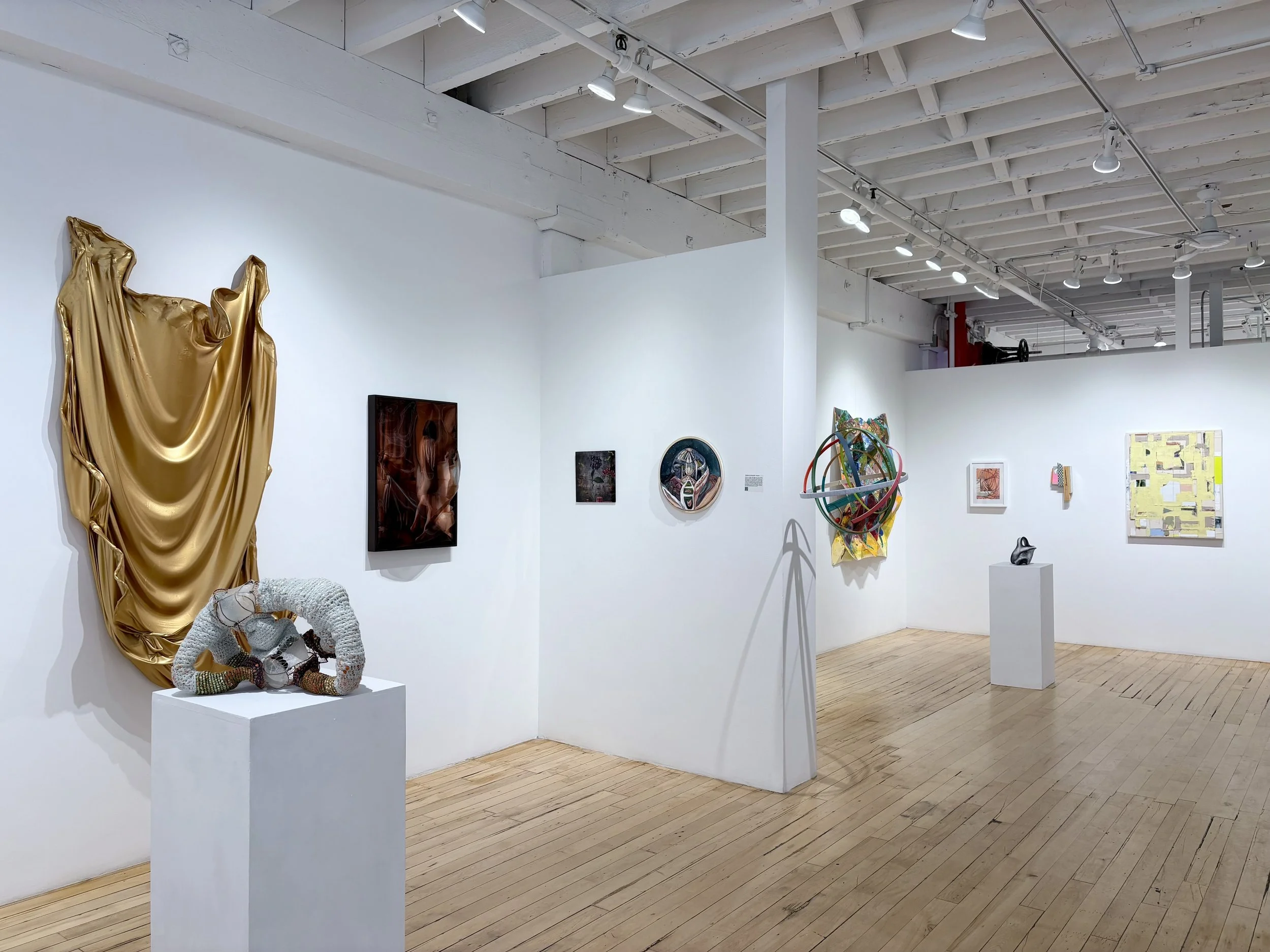
In the sprawling, high-stakes ecosystem of the New York City art world, the physical architecture of exhibition spaces shapes the very nature of what is seen, valued, and remembered. For collectors, critics, and art enthusiasts navigating the labyrinth of chelsea art galleries, the immediate visual impression of white walls and polished concrete floors often masks a profound operational and philosophical divide. Beneath the surface of the city's vibrant visual culture lies a fundamental tension between two distinct institutional models: the commercial gallery and the non-profit alternative space.
While commercial galleries operate as private enterprises tethered to market forces, sales commissions, and the cultivation of primary and secondary markets, non-profit art galleries exist to serve an entirely different master. Driven by mission rather than margin, spaces like The Painting Center function as essential counterweights in the contemporary art landscape. They provide sanctuary for experimentation, foster rigorous critical dialogue, and champion diverse artistic voices that might otherwise remain eclipsed by commercial viability. Understanding this structural difference is not merely an exercise in arts administration; it is key to understanding how artistic innovation is nurtured and sustained in contemporary culture.
The Commercial Engine: Market Imperatives and Primary Representation
To appreciate the vital necessity of non-profit art spaces, one must first examine the operational realities of the commercial gallery. In a city where real estate overheads are staggering, commercial galleries operate as for-profit businesses. Their survival depends upon a continuous cycle of inventory turnover, collector relations, and market validation.
In this environment, an exhibition is rarely conceived in a vacuum. Programming is carefully calibrated to resonate with current market trends, appease established collectors, and build sustainable economic momentum for a stable roster of represented artists. The commercial model requires predictability, consistency, and a coherent brand identity that translates seamlessly across art fairs and collector previews. While commercial galleries undeniably play a crucial role in supporting artists financially and professionalizing their careers, their structural imperative is fundamentally economic. When financial survival is directly linked to exhibition sales, curators and dealers must inevitably exercise a degree of caution, thinking twice before dedicating precious gallery real estate to deeply challenging, non-marketable, or highly experimental work.
The Non-Profit Sanctuary: Risk-Taking, Autonomy, and Curatorial Freedom
Enter the non-profit alternative space: an institutional model designed precisely to absorb the risks that commercial galleries cannot afford to take. Funded through a combination of grants, individual donations, foundations, and public support, non-profit galleries operate free from the immediate pressure of sales commissions.
This financial autonomy transforms the exhibition space into a laboratory for ideas. Without the burden of commercial viability, curators can pursue ambitious, research-driven thematic frameworks that investigate the margins of contemporary practice. At spaces dedicated to painting and diverse visual media, programming is shaped by intellectual rigor and artistic necessity rather than market appeal.
Over the past thirty-two years, institutions like The Painting Center have mounted over 800 exhibitions organized by visionary guest curators. This rich history demonstrates how non-profit spaces serve as democratic arenas where established masters and emerging talents exhibit side by side. By welcoming diverse viewpoints without championing a single school or tradition, non-profit galleries cultivate an environment where artistic inquiry takes precedence over brand consistency.
The Structural Anatomy of Distinction
To clarify how these two models diverge in practice, consider several core structural pillars:
Governance and Accountability: Commercial galleries answer to owners, partners, and bottom-line economics. Non-profit organizations are governed by boards of directors and are accountable to public missions, cultural grants, and community stakeholders.
Artist Selection and Representation: Commercial spaces typically maintain long-term exclusive rosters of artists whose work commands predictable market value. Non-profit spaces frequently utilize open calls, curatorial proposals, and rotating thematic group shows, offering platform access to a vastly wider demographic of creators.
Financial Models and Commissions: While commercial galleries routinely take 40% to 50% commissions on sales, non-profit spaces often operate with little to no commercial markup, or channel modest proceeds directly back into educational programming and artist support.
Public Engagement and Education: Non-profit art galleries are fundamentally educational institutions. They regularly host free public lectures, panel discussions, poetry readings, and performances that transform the gallery from a marketplace into an active gathering place for community discourse.
Why Non-Profit Spaces Are Essential to the NYC Art Ecosystem
In a cultural capital like New York City, the proliferation of non-profit art galleries ensures that the art ecosystem remains dynamic, self-critical, and resilient. When art-making is framed primarily as a commodity, avant-garde experimentation risks being stifled by commercial homogenization. Non-profit spaces provide the necessary oxygen for artistic evolution.
They allow artists to fail, to pivot, and to explore complex material and conceptual territories that defy easy categorization. When a curator organizes an exhibition around nuanced, elusive themes: such as the interplay between presence and absence, or the tactile density of gestural mark-making: that intellectual freedom is directly enabled by the non-profit structure.
Furthermore, non-profit art spaces maintain curated online art files and open archives that serve as invaluable resources for curators, researchers, and critics worldwide. By democratizing access to contemporary art and preserving historical continuity across generations, these organizations protect the integrity of the discipline against the shifting winds of commercial fashion.
Navigating Chelsea and Beyond: Supporting the Alternative Voice
For visitors, collectors, and art enthusiasts exploring contemporary art galleries nyc, engaging with non-profit spaces offers a deeply enriching counter-experience to commercial browsing. Stepping into an alternative space requires a different pace: one that invites slow looking, contemplation, and active participation in meaning-making.
Supporting non-profit arts organizations: whether through attending free panel discussions, acquiring works through mission-driven exhibitions, or making direct contributions: ensures that New York City remains a vibrant haven for independent thought and creative courage. As the art world continues to evolve, the enduring presence of non-profit galleries reminds us that the true measure of art lies not in its price tag, but in its capacity to provoke dialogue, challenge perception, and transform our shared understanding of the world.
